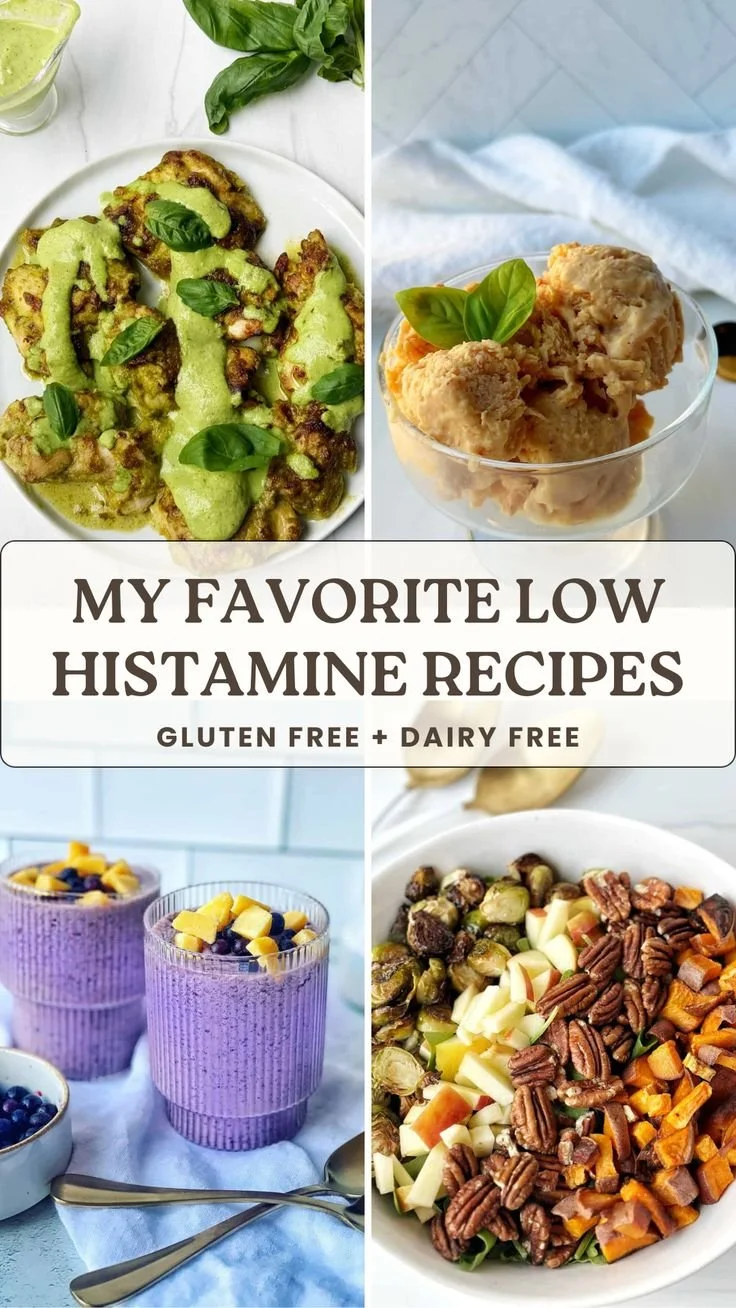
Making deliciously vibrant low histamine foods doesn’t have to be complicated. This guide highlights the benefits and practical steps for cooking meals safely on a low histamine diet. By focusing on fresh, wholesome ingredients, you’ll find it easy to create satisfying dishes that won’t trigger unwanted symptoms.
Why You’ll Love Low Histamine Cooking
- Highlight Freshness: Emphasizing fresh ingredients means meals are not only wholesome but also burst with flavor.
- Health-Oriented: This cooking style supports overall wellness by avoiding common allergens and irritants.
- Meal Versatility: Low histamine recipes can easily incorporate a variety of proteins and vegetables, keeping your meal lineup exciting.
- Simplicity at Its Best: Most low histamine recipes prioritize few ingredients, making them quick to prepare without sacrificing taste.
- Accessible Ingredients: Many low histamine food options are easy to find, allowing broader accessibility for all home cooks.
Recipe Overview
- Prep Time: 15 minutes
- Cook Time: 25 minutes
- Total Time: 40 minutes
- Servings: 4
- Difficulty Level: Easy
Ingredients You’ll Need for Low Histamine Cooking
- Fresh Proteins: Choose lean options like chicken, turkey, or fresh fish. These proteins are low in histamine and easy to digest.
- Vegetables: Focus on fresh ingredients like zucchini, carrots, and bell peppers. Frozen or canned veggies often contain preservatives that can trigger symptoms.
- Herbs and Spices: Fresh herbs like basil, cilantro, and parsley easily elevate flavors without added histamines. Avoid dried spices, as they may be more likely to contain histamines.
- Cooked Grains: Use low histamine grains like rice or quinoa. Always ensure they are freshly cooked, as leftovers can form histamines.
- Safe Fats: Olive oil and coconut oil are excellent choices. They enhance flavor and provide healthy fats without the histamine load.
- Acid Alternatives: Use lemon juice or apple cider vinegar in moderation, as these can add brightness to dishes while being worked into a low histamine diet.

How to Make a Sample Low Histamine Meal
- Prepare the Ingredients: Chop vegetables and proteins into bite-sized pieces, ensuring freshness. Set aside.
- Cook the Grains: Start prepping your rice or quinoa according to package instructions. This usually requires rinsing, boiling water, and simmering until soft.
- Sauté the Vegetables: In a large pan, heat olive oil over medium heat. Add chopped vegetables and stir-fry until they become tender yet still vibrant, about 5-7 minutes.
- Cook the Protein: Add your chosen protein to the same pan, seasoning with herbs. Cook thoroughly, flipping halfway through for even cooking. Aim for a light golden color.
- Combine: Once the protein is fully cooked, add the grains to the pan. Stir everything together to combine flavors and heat through for another 2-3 minutes.
- Serve: Transfer your meal to plates and drizzle with a little lemon juice for added flavor. Enjoy hot!
Tips for Success
- Choose the Right Ingredients: Always opt for the freshest proteins and vegetables to avoid histamine build-up.
- Cook in Batches: If meal prepping, only keep cooked grains fresh for immediate use, as they can develop histamines quickly.
- Watch Cooking Times: Avoid overcooking vegetables to retain their nutrients and texture.
- Use Fresh Herbs: These not only add flavor but can also provide nutrients while keeping your dish low in histamines.
- Taste as You Go: Adjust flavors with safe ingredients, ensuring you hit the balance you enjoy without triggering symptoms.
Easy Variations
- Swap Proteins: Use fish like cod or tilapia if you’re in the mood for something different.
- Add More Veggies: Sneak in spinach or kale for more texture and color.
- Different Grains: Try millet or buckwheat as alternatives to rice for variety.
- Make It Hearty: Add sweet potatoes for a filling, comforting addition.
- Dress It Up: Sprinkle with seeds like pumpkin or sunflower seeds for extra crunch.
What to Serve With Low Histamine Meals
- Salads: Pair your main dish with a simple salad of fresh greens and herbs, dressed with olive oil and lemon.
- Soup: Serve with a homemade broth-based soup loaded with fresh vegetables.
- Quinoa Salad: Mix up a quinoa salad with diced cucumbers, olive oil, and fresh herbs for a refreshing side dish.
- Steamed Vegetables: A side of steamed broccoli or carrots can provide extra crunch and nutrition.
Storage and Reheating
- Refrigerator Storage: Store leftovers in an airtight container in the fridge for up to 2-3 days.
- Freezer Storage: If you cook in large quantities, freeze portions in sealed bags. Thaw in the fridge overnight before reheating.
- Best Reheating Method: Reheat in a pan on low heat to preserve textures or in a microwave for quick meals.
- Preserve Texture: Avoid reheating multiple times, as this can increase histamine production in leftovers.
Common Mistakes to Avoid
- Using Aged Ingredients: Always select fresh meats and vegetables; aged ones can contain higher levels of histamines.
- Overcooking: Watch cooking times closely to maintain the integrity of flavors and nutrients.
- Neglecting Storage: Failing to store leftovers properly can lead to histamine build-up.
- Ignoring Labels: Be cautious with pre-packaged items that might contain hidden ingredients.
Low Histamine Cooking: Background & Cultural Inspiration
Low histamine cooking emphasizes the use of fresh, minimally processed ingredients, drawing inspiration from traditional Mediterranean diets. These cuisines are ripe with herbs, vibrant vegetables, and uncured meats, highlighting food that merges health with flavor. Simple preparation methods ensure each dish remains rooted in natural taste while respecting dietary restrictions.
Frequently Asked Questions
Can I prepare low histamine foods in advance?
Yes, you can prepare ingredients ahead of time but avoid cooking grains too far in advance as they can develop histamines.
Are there specific proteins that are safer?
Freshly sourced proteins like chicken, turkey, or certain fish (like cod) are typically better options.
What’s the best way to store cooked grains?
Keep cooked grains in airtight containers in the fridge for no more than 3 days. For longer storage, freeze them.
How do I know if a spice is low in histamine?
Fresh herbs usually contain lower histamine levels, while dried spices can vary, so it’s best to limit them unless you’re sure of their freshness.
Is it safe to eat leftovers?
Leftovers are fine for a day or two as long as they are properly stored. Always check for any signs of spoilage before consuming.
Final Thoughts
Low histamine cooking offers a wonderful opportunity to explore fresh flavors and nutritious ingredients without worrying about dietary restrictions. With simple steps, you can create satisfying meals that support your overall health. So dive in and enjoy the flavorful world of low histamine eating—it’s not just healthy, it’s also full of flavor!