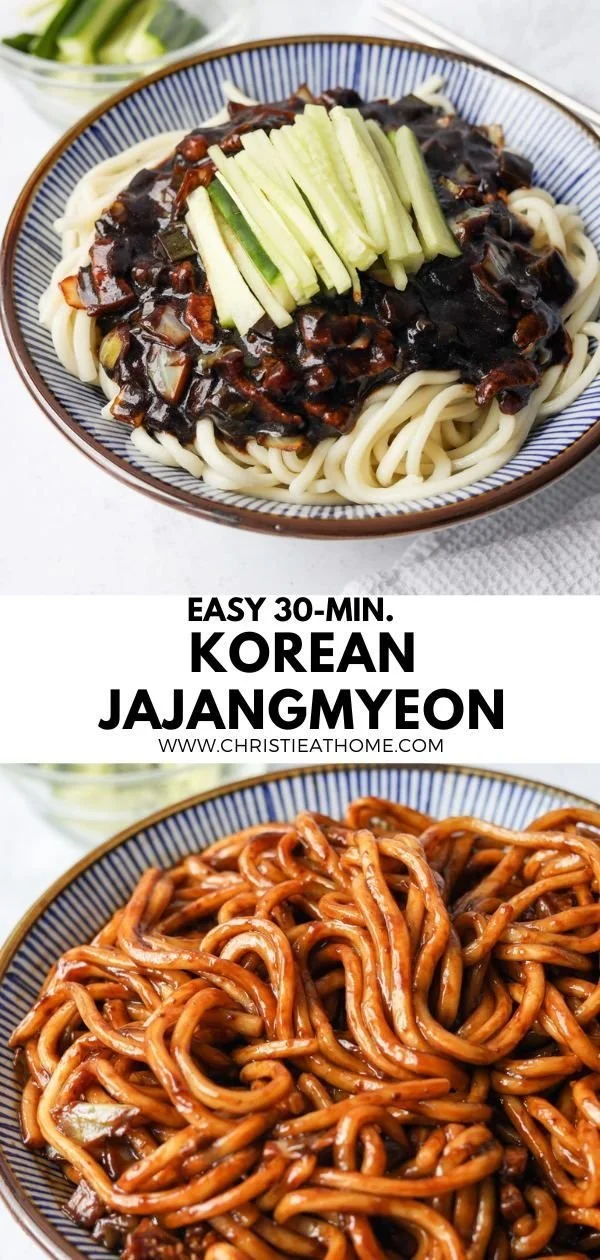
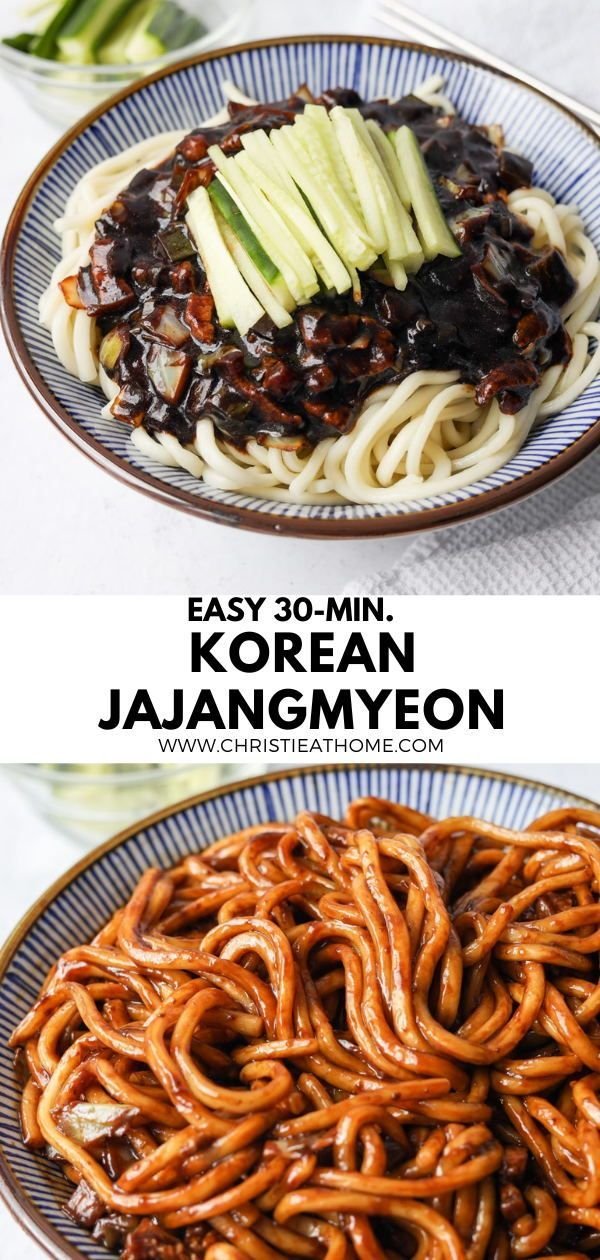
Jajangmyeon, or black bean noodles, is a comforting Korean dish that has captured the hearts of many food lovers. This recipe offers a delightful combination of thick noodles, savory pork belly, and a rich, umami-packed black bean sauce. It’s not only simple to prepare, but it also packs a flavor punch that makes it a worthy addition to your meal rotation.
Why You’ll Love Jajangmyeon
- Quick and Easy: Perfect for busy weeknights, this dish comes together in about 30 minutes.
- Flavorful Comfort: The blend of black bean paste with tender pork and fresh vegetables creates a deep, satisfying taste.
- Customizable: You can easily adjust the ingredients to suit your taste preferences.
- Fulfilling Meal: The combination of thick noodles and protein makes for a hearty dish that will keep you satisfied.
- Family-Friendly: Kids and adults alike will love this delicious take on noodles.
Recipe Overview
- Prep Time: 10 minutes
- Cook Time: 20 minutes
- Total Time: 30 minutes
- Servings: 4
- Difficulty Level: Easy
Ingredients You’ll Need for Jajangmyeon
- Thick Noodles: Used as the base of the dish; you can substitute with other types of noodles if needed.
- Black Bean Paste: The star of the dish, providing depth and richness.
- Pork Belly: Adds a savory flavor and richness; can be substituted with ground pork or chicken.
- Onion: Adds sweetness and depth to the sauce.
- Zucchini: Offers a nice texture contrast and absorbs flavors well.
- Potato: Adds creaminess and helps to thicken the sauce.
- Garlic: Provides aromatic notes that enhance the overall dish.
- Vegetable Oil: For sautéing; can be replaced with any neutral oil.
- Sugar: Balances the savory flavors from the black bean paste.
- Soy Sauce: Enhances umami flavor; low-sodium versions can be used for a healthier option.
- Water: Helps create the sauce.
- Sesame Oil: Adds a nutty aroma; use sparingly for flavor.
- Green Onion: For garnishing and freshness.
How to Make Jajangmyeon
-
Cook the Noodles: Bring a large pot of water to a boil. Add thick noodles and cook according to package instructions. Drain and set aside.
-
Brown the Pork Belly: Heat 2 tablespoons of vegetable oil in a pan over medium-high heat. Add diced pork belly and sauté until browned and crisp, about 5-7 minutes.
-
Sauté the Vegetables: Stir in the chopped onions, zucchini, potato, and minced garlic. Cook until the vegetables are softened, about 5 minutes.
-
Incorporate the Sauce Ingredients: Add the black bean paste, sugar, and soy sauce to the pan. Mix well until the ingredients are combined.
-
Simmer: Pour in water and bring the mixture to a simmer. Allow it to cook for about 5 minutes, or until the sauce thickens slightly.
-
Combine Noodles and Sauce: Add the cooked noodles to the pan, tossing to coat them evenly with the sauce.
-
Finish and Serve: Drizzle the dish with sesame oil and garnish with chopped green onions. Serve hot.
Tips for Success
- Don’t Overcook the Noodles: Follow the package instructions closely to avoid mushy noodles.
- Use Fresh Vegetables: Fresh zucchini and potato add texture and flavor—avoid canned or frozen.
- Adjust the Sauce: Control the thickness by adjusting the water amount; more water leads to a thinner sauce.
- Taste and Balance: Before serving, taste the sauce and adjust seasoning with more soy sauce or sugar, if needed.
- Prevent Sticking: Toss the noodles with a bit of oil after draining to prevent them from sticking together.
Easy Variations
- Vegetable-Heavy: Add other vegetables like bell peppers, carrots, or mushrooms for extra nutrition.
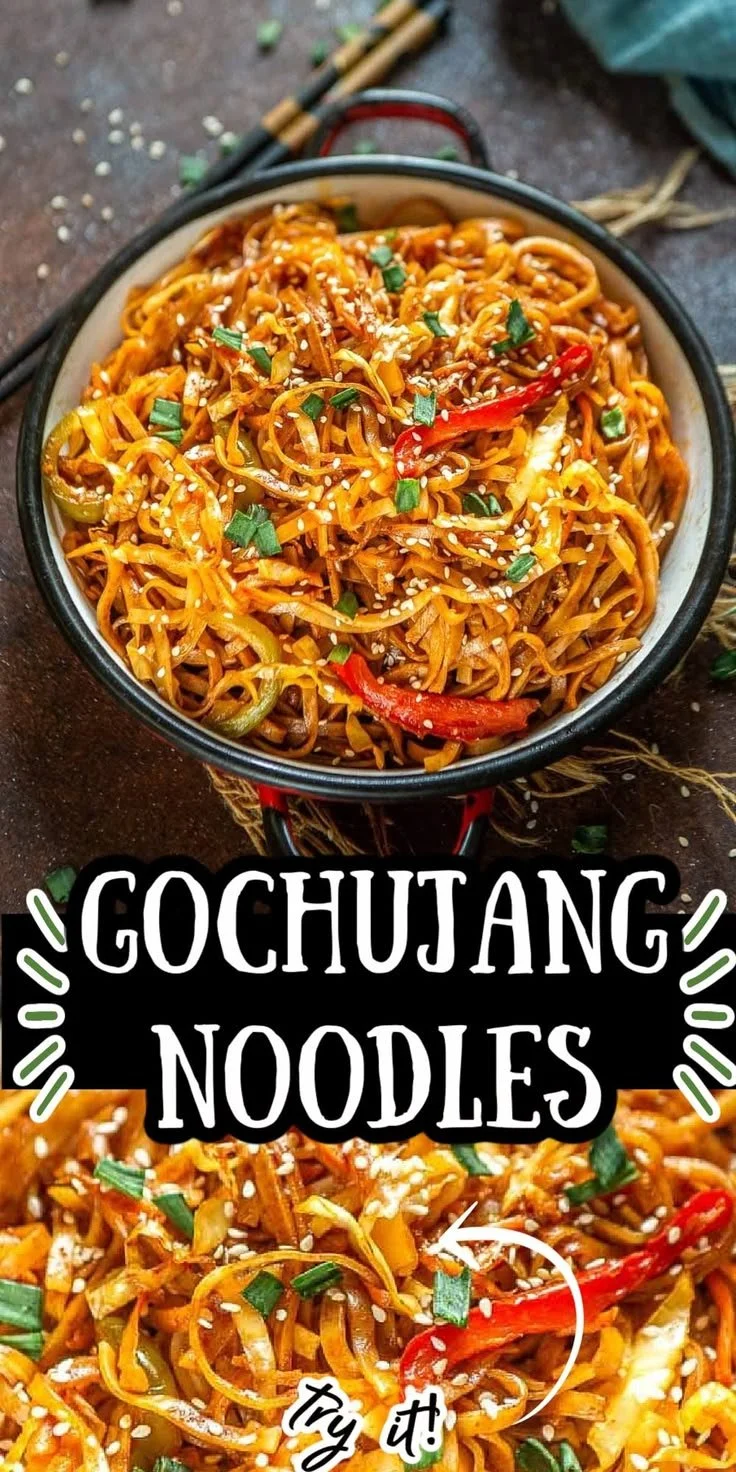
- Spicier Version: Incorporate gochujang (Korean chili paste) for a spicy kick.
- Vegan Option: Substitute pork with tofu or a mix of mushrooms and use a vegan black bean paste.
- Soy-Free: Experiment with coconut aminos in place of soy sauce to make your dish soy-free.
- Noodle Alternative: Try using rice noodles or whole-wheat noodles for a different texture.
What to Serve with Jajangmyeon
- Kimchi: This classic Korean side is tangy and spicy, complementing the noodles perfectly.
- Korean Fried Chicken: Crunchy, flavorful chicken pairs well with the savory noodles.
- Steamed Vegetables: A simple side of steamed broccoli or bok choy adds freshness.
- Pickled Radishes: Provide a crisp and tangy contrast to the rich flavors of the dish.
- Egg Roll: A crispy egg roll can serve as a satisfying side with your meal.
Storage and Reheating
- Refrigerator Storage: Store any leftovers in an airtight container in the fridge for up to 3 days.
- Freezer Storage: You can freeze the sauce (not the noodles) for up to 2 months.
- Reheating: Reheat in a pan over medium heat, adding a splash of water to loosen the sauce.
- Preserving Texture: To keep noodles from becoming mushy, store them separately from the sauce if possible.
- Meal Prep Note: Prepare the sauce ahead of time and cook the noodles fresh to enjoy a quick meal.
Common Mistakes to Avoid
- Not Draining Noodles Properly: Ensure you thoroughly drain the noodles to avoid a watery dish.
- Burning Garlic: Keep a close eye when sautéing garlic; it can burn quickly and turn bitter.
- Overcooking Vegetables: Avoid soft, mushy vegetables by cooking just until tender.
- Skipping the Sugar: Don’t skip the sugar, as it balances the flavors of the black bean paste.
- Using Low-Quality Ingredients: Invest in good quality black bean paste for the best flavor.
Jajangmyeon: Background & Cultural Inspiration
Jajangmyeon has roots in Chinese cuisine, where it evolved into a popular Korean dish. The name itself comes from "jjajang," which means “fried sauce.” Traditionally enjoyed on special occasions, it has become an everyday comfort food for many. Served on April 14th in Korea, known as "Black Day," it has also become a symbol of love and friendship. Jajangmyeon’s hearty nature reflects the warmth of sharing meals with loved ones.
Frequently Asked Questions
Can I make Jajangmyeon in advance?
Yes, you can prepare the sauce ahead and store it in the refrigerator, then cook the noodles fresh when you’re ready to eat.
Is there a gluten-free option for Jajangmyeon?
You can use gluten-free noodles and ensure that your black bean paste is also gluten-free.
How spicy is Jajangmyeon?
This dish is not typically spicy, but you can add chili or Korean gochujang if you prefer heat.
What can I substitute for black bean paste?
In a pinch, you can use fermented black beans blended with a bit of soy sauce for a similar taste.
Can I freeze Jajangmyeon?
While the sauce can be frozen, it’s best to cook the noodles fresh and serve immediately to maintain the right texture.
Final Thoughts
Jajangmyeon is a delicious and fulfilling dish that can easily become a family favorite. With its rich flavors and satisfying texture, it’s quick enough for a busy night yet special enough to serve for gatherings. Try your hand at this comforting noodle dish—once you do, you’ll understand why it holds a special place in Korean cuisine. Enjoy every bite!
PrintJajangmyeon
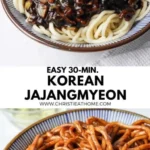
A comforting Korean dish featuring thick noodles, savory pork belly, and a rich black bean sauce.
- Prep Time: 10 minutes
- Cook Time: 20 minutes
- Total Time: 30 minutes
- Yield: 4 servings
- Category: Main Course
- Method: Stovetop
- Cuisine: Korean
- Diet: Can be made vegan, Pork
Ingredients
- Thick Noodles
- Black Bean Paste
- Pork Belly
- Onion
- Zucchini
- Potato
- Garlic
- Vegetable Oil
- Sugar
- Soy Sauce
- Water
- Sesame Oil
- Green Onion
Instructions
- Cook the noodles by bringing a pot of water to a boil. Add thick noodles and cook according to package instructions. Drain and set aside.
- Brown the pork belly in a pan with vegetable oil until browned and crisp, about 5-7 minutes.
- Sauté the chopped onions, zucchini, potato, and minced garlic until softened, about 5 minutes.
- Incorporate the black bean paste, sugar, and soy sauce. Mix well until combined.
- Simmer by adding water and bring to a simmer, cooking until slightly thickened, about 5 minutes.
- Combine the cooked noodles with the sauce, tossing to coat evenly.
- Finish by drizzling with sesame oil and garnishing with green onions. Serve hot.
Notes
Adjust the sauce thickness by varying the water. Use fresh vegetables for the best texture and flavor.