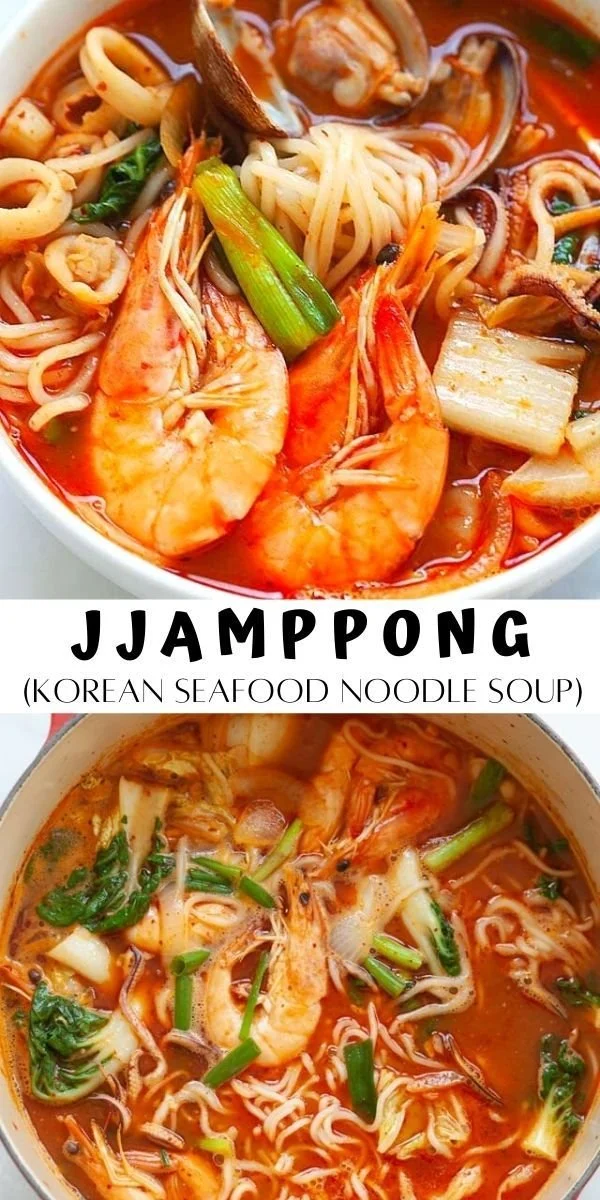
JJAMPPONG (KOREAN SEAFOOD NOODLE SOUP) is a fantastic dish that brings the vibrant flavors of Korean cuisine right to your table. This one-pot recipe is not only delicious but also quick to prepare, making it perfect for busy weeknights or a satisfying weekend meal. Loaded with noodles, fresh seafood, and vegetables, it embodies a comforting and hearty experience that is hard to resist.
Why You’ll Love JJAMPPONG (KOREAN SEAFOOD NOODLE SOUP)
- Quick and Easy: With straightforward steps and minimal prep work, this dish can be on your table in under 30 minutes, perfect for a weeknight dinner.
- Flavor-Packed: The combination of gochujang and gochugaru creates a rich, savory broth that is both spicy and deeply flavorful, elevating even the simplest ingredients.
- Customizable: You can easily adjust the recipe to suit your taste by adding more veggies or swapping in your favorite seafood.
- Healthy Ingredients: Packed with fresh seafood and greens, this soup is not only satisfying but also a nutritious option for a light meal.
- One-Pot Wonder: Preparing this dish in one pot saves time on both cooking and cleaning up, making it a convenient choice for busy cooks.
Recipe Overview
- Prep Time: 10 minutes
- Cook Time: 15 minutes
- Total Time: 25 minutes
- Servings: 4
- Difficulty Level: Easy
Ingredients You’ll Need for JJAMPPONG (KOREAN SEAFOOD NOODLE SOUP)
-
Noodles and Seafood:
- 8 oz. (230g) Korean fresh noodles
- 8 oz. (230g) medium-sized shrimp (10-12 pieces)
- 12 oz. (350g) Manila clams
- 4 oz. (125g) squid (cut into rings)
- 4 oz. (125g) bay scallops (or sea scallops)
-
Vegetables:
- 4 oz. (125g) napa cabbage (cut into pieces)
- 4 oz. (125g) bok choy
- 1/2 small onion (peeled and cut into pieces)
- 2 stalks scallions (cut into strips)
-
Flavorings:
- 3 cloves garlic (minced)
- 2 tablespoons cooking oil
- 4 tablespoons gochujang (Korean chili paste)
- 1 tablespoon gochugaru (Korean chili powder)
- 4 cups chicken broth (or bone broth)
- 1-2 tablespoons soy sauce (or to taste)
- Salt (to taste)
For best results, use fresh seafood for a delicate texture and rich flavor. You can substitute the seafood based on availability—white fish or even tofu can work beautifully in this recipe.

How to Make JJAMPPONG (KOREAN SEAFOOD NOODLE SOUP)
-
Cook the Noodles
- Boil the Korean fresh noodles according to the package instructions until al dente. Drain and set aside. Make sure not to overcook them; they should still have a firm bite.
-
Sauté Aromatics
- In a large pot, heat the cooking oil over high heat. Add the minced garlic and onion. Stir-fry for about 1-2 minutes until they become aromatic.
-
Add the Seafood
- Toss in the shrimp, clams, squid, and scallops. Stir to combine and cook for another 2-3 minutes, allowing the seafood to sear slightly.
-
Create the Broth
- Add the gochujang and gochugaru to the pot. Mix well to coat the seafood in the spices. Then pour in the chicken broth and bring the mixture to a quick boil.
-
Incorporate the Vegetables
- Stir in the napa cabbage and bok choy. The vegetables will wilt down quickly, which will add to the broth’s flavor.
-
Season and Add Noodles
- Add soy sauce and salt to taste. Then, gently add the cooked noodles to the pot and cook for an additional 30 seconds to heat through.
-
Finish and Serve
- Finally, stir in the scallions, turn off the heat, and serve the soup immediately while it’s hot and fragrant.
Tips for Success
- Don’t Overcook the Noodles: Draining the noodles when they are just al dente ensures they remain firm in the soup and do not become mushy.
- Use Fresh Seafood: Fresh seafood enhances the dish’s flavor and texture. If you need to use frozen items, ensure they’re fully thawed and patted dry.
- Adjust Spiciness: The level of heat can be adjusted by modifying the amount of gochujang and gochugaru, so feel free to taste and tweak while preparing.
- Don’t Skip the Aromatics: Garlic and onion give a great depth of flavor; don’t rush this step!
Easy Variations
- Vegetable Delight: Add sliced mushrooms, carrots, or bok choy for extra veggies and texture.
- Spicy Version: Increase the amount of gochugaru for a spicier broth, or serve with sliced fresh chili for those who enjoy more heat.
- Protein Swap: Consider using chicken or firm tofu for a different protein base while still capturing the essence of this comforting soup.
- Broth Variation: Experiment with different broths such as miso or seafood stock for an alternative flavor profile.
What to Serve with JJAMPPONG (KOREAN SEAFOOD NOODLE SOUP)
- Kimchi: A tangy, spicy side that pairs well with the heat of the soup and adds a crunchy texture.
- Steamed Rice: Serve on the side to soak up the rich broth, catering to those who desire a more filling meal.
- Korean Pancakes (Pajeon): These savory pancakes complement the flavors of jjampong while offering a nice contrast in texture.
- Pickled Vegetables: Quick pickled radishes or cucumbers can provide a refreshing palate cleanse between bites.
Storage and Reheating
- Refrigerator Storage: Store any leftovers in an airtight container in the fridge for up to 2-3 days.
- Freezer Storage: While it’s preferable to eat fresh, you can freeze the broth and seafood mixture (without noodles) for up to a month; just cook fresh noodles when you’re ready to serve.
- Reheating: Gently reheat in a pot on the stove over medium heat, adding a splash of water or broth if needed to restore the soup’s consistency.
- Preserving Texture: Keep leftover noodles separate from the broth before storing to prevent them from absorbing too much liquid.
Common Mistakes to Avoid
- Overcooking Seafood: Seafood cooks quickly; avoid leaving it on the heat too long to prevent toughness.
- Under-seasoning: Taste as you cook, adjusting salt and soy sauce to ensure a well-seasoned broth.
- Using Stale Noodles: Make sure your noodles are fresh; older noodles tend to break apart easily.
JJAMPPONG (KOREAN SEAFOOD NOODLE SOUP): Background & Cultural Inspiration
JJAMPPONG has its origins in Chinese cuisine but has developed into a beloved dish within Korean culture. It is traditionally enjoyed in Korean-Chinese restaurants, where its fiery and aromatic broth delights diners seeking a hearty meal. Typically featuring a colorful variety of seafood, JJAMPPONG showcases the richness of coastal flavors that Korea is known for. It is often enjoyed as a late-night snack or a comforting meal on rainy days, reflecting the dish’s warming properties and ability to satisfy.
Frequently Asked Questions
Can I make jjampong in advance?
Yes, you can prepare the broth and seafood mixture in advance. Cook the noodles fresh when you’re ready to serve, as they maintain a better texture.
How spicy is jjampong?
The spiciness can vary depending on your preference. You can adjust the amount of gochujang and gochugaru to suit your taste.
What can I substitute for gochujang?
If you don’t have gochujang, you can substitute it with a mix of miso paste and red pepper flakes, but note that it will alter the flavor profile.
Can I use different seafood?
Absolutely! Feel free to experiment with your favorite seafood or even use chicken or tofu for a different flavor.
How do I store leftover jjampong?
Store leftovers in airtight containers in the refrigerator. The broth will last for about 2-3 days, while the noodles should be stored separately.
Final Thoughts
JJAMPPONG (KOREAN SEAFOOD NOODLE SOUP) is not just a dish; it’s an experience filled with heart and flavor. The combination of fresh seafood, comforting noodles, and a robust broth is sure to please anyone at your table. Whether you’re a seasoned cook or just starting out, this recipe is both approachable and rewarding. Give it a try—it’s bound to become a new favorite in your home!